
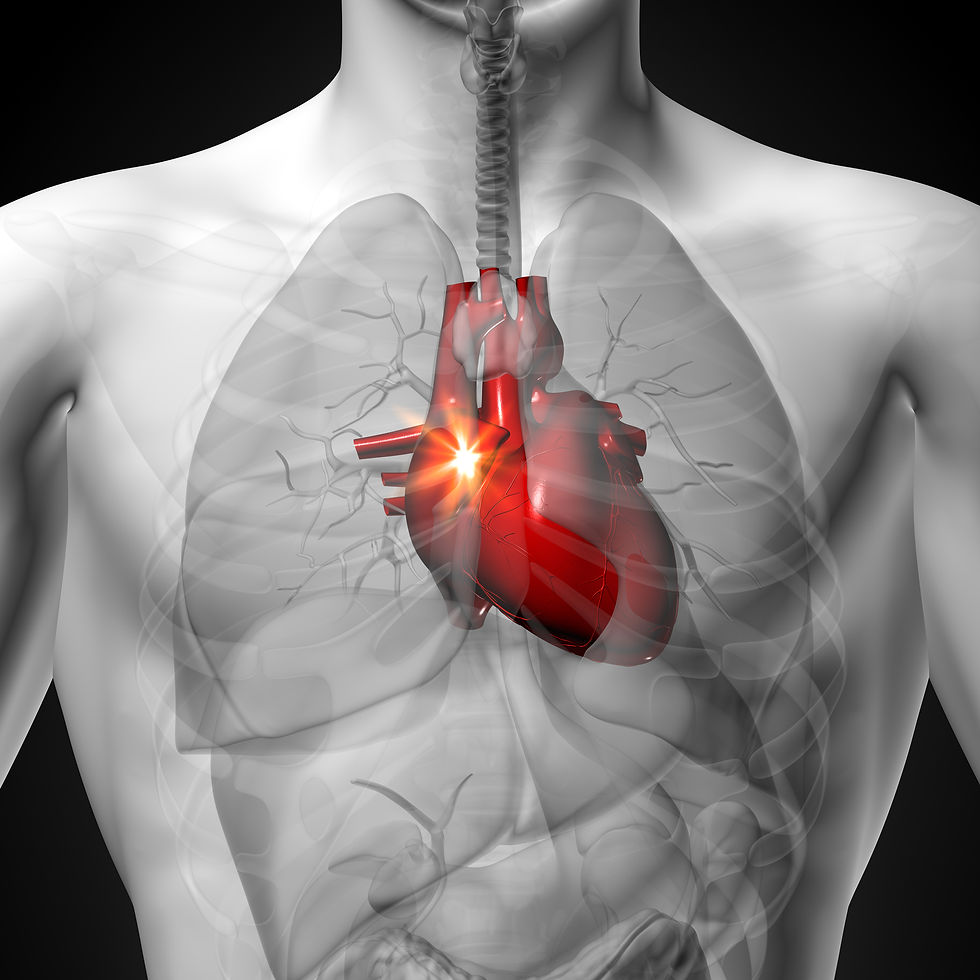
Cardiac Problems
Cardiovascular diseases (CVDs) are a group of disorders that affect the heart and blood vessels. The most important behavioural risk factors of heart disease and stroke are unhealthy diet, physical inactivity, tobacco use and harmful use of alcohol. The effects of behavioural risk factors may show up in individuals as raised blood pressure, raised blood glucose, raised blood lipids, and overweight and obesity.

Cholesterol
Cholesterol is a waxy, fat-like substance that your body needs for good health, but in the right amounts. Unhealthy levels of cholesterol can lead to a condition called high blood cholesterol. High cholesterol is when you have too much of a fatty substance called cholesterol in your blood. It's mainly caused by eating fatty food, not exercising enough, being overweight, smoking and drinking alcohol. It can also run in families.
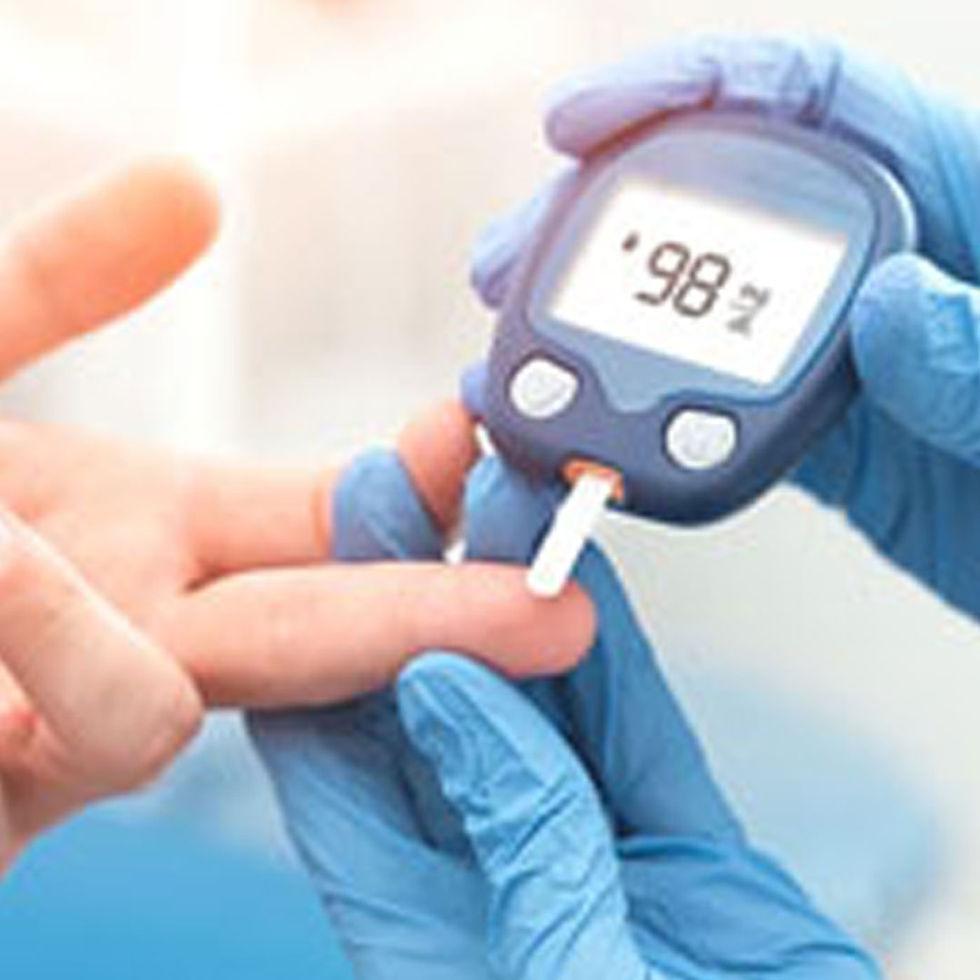
Diabetes
Diabetes is a chronic medical condition that arises when the level of sugar, known as blood glucose, in your bloodstream becomes excessively high. Blood glucose serves as the primary source of energy for your body and is derived from the food you consume. To facilitate the utilization of glucose for energy, a vital hormone produced by the pancreas called insulin plays a crucial role.

Obesity
Obesity is indeed a complex disease characterized by an excessive accumulation of body fat, which can have significant implications for an individual's health. While some may view it solely as a cosmetic issue, it is important to recognize that obesity is a medical condition that poses numerous health risks.

Uric Acid
Uric acid is a chemical created when the body breaks down substances called purines. Purines are normally produced in the body and are also found in some foods and drinks. Foods with high content of purines include liver, anchovies, mackerel, dried beans and peas, and beer. Swelling and pain in a joint, such as the big toe, ankle, or knee, or red skin around a joint. Joints that are hot to the touch. Swelling and pain that affects only 1 joint in the body.

Varicose Veins
Varicose veins, or varicosities, are swollen, twisted vein that lie just under the skin. They usually occur in the legs. Sometimes varicose veins form in other parts of the body. Hemorrhoids , for example, are a type of varicose vein that develops in the rectum. Varicose veins can happen at any age, especially in your 20s, even though the condition is more likely to manifest during or after middle age.